
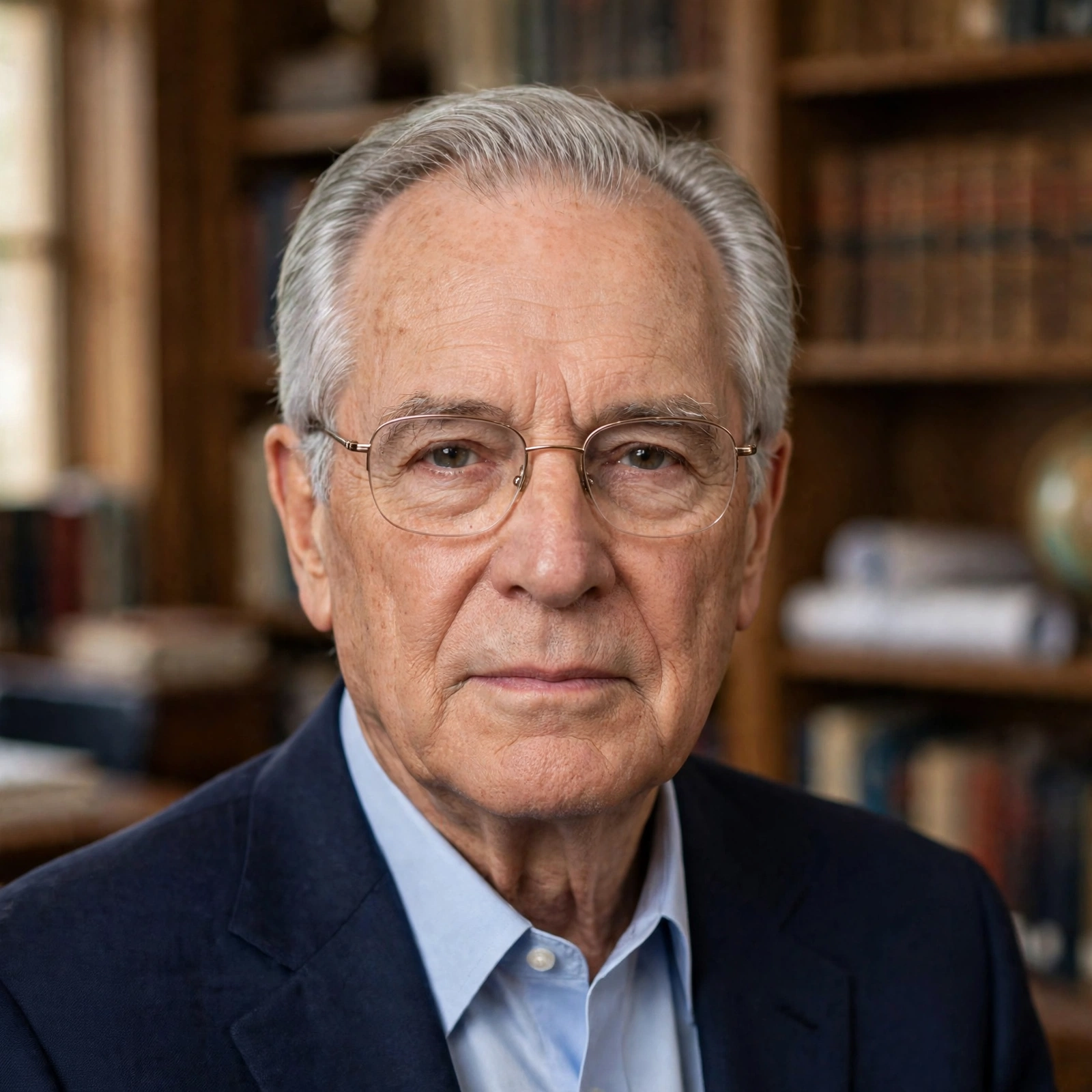
Reginald Irenee Vachon was an American mechanical engineer, inventor, business executive, and lawyer whose career spanned more than six decades and crossed the boundaries between academia, industry, government research, and professional leadership. A man of rare intellectual range, he earned doctoral-level credentials in mechanical engineering, law, and strategic studies, building a life in which technical innovation and institutional service went hand in hand.
To the engineering world, Vachon is best remembered as the president of the American Society of Mechanical Engineers (ASME) for 2003–2004 and as the recipient of the ASME Medal in 2019 — the highest honor the society bestows. He led companies in measurement technology and engineering services, held a professorship at Auburn University, worked with NASA’s Marshall Space Flight Center, and served in the United States Army Reserve, retiring with the rank of colonel. He passed away on December 24, 2020, at the age of 83, leaving behind a legacy of scholarship, invention, and mentorship that continues to shape the profession.
Reginald I. Vachon Wiki and Biography
| Attribute | Details |
| Full Name | Reginald Irenee Vachon |
| Date of Birth | January 29, 1937 |
| Date of Death | December 24, 2020 (aged 83) |
| Birthplace | Norfolk, Virginia, United States |
| Nationality | American |
| Ethnicity | Caucasian |
| Zodiac Sign | Aquarius |
| Profession | Mechanical engineer, business executive, lawyer, inventor |
| Years Active | 1958–2020 |
| Relationship Status | Not publicly disclosed |
Born in Norfolk, Virginia, in the winter of 1937, Reginald I. Vachon came of age during the postwar boom that turned American engineering into a national calling. His biography is unusual even by the standards of a remarkable profession: he accumulated advanced degrees across three distinct disciplines — engineering, law, and military strategy — and applied them across equally distinct arenas, from university laboratories to NASA facilities to corporate boardrooms. He remained professionally engaged well into his eighties as chairman of Vachon Global.
Reginald I. Vachon Height, Weight and Physical Appearance
| Attribute | Details |
| Height | Not publicly disclosed |
| Weight | Not publicly disclosed |
| Body Measurements | Not publicly disclosed |
| Eye Color | Not publicly disclosed |
| Hair Color | Not publicly disclosed |
| Shoe Size | Not publicly disclosed |
| Build | Not publicly disclosed |
Reginald I. Vachon lived his life in the public record through his work rather than his appearance, and no reliable source has ever published his physical measurements. As an academic, executive, and professional society leader, he was known for his intellect, his leadership, and his contributions to engineering. Out of respect for that legacy, this biography records only what is documented.
Reginald I. Vachon Career Information
| Attribute | Details |
| Profession | Mechanical engineer, inventor, business executive, lawyer |
| Education | BSc Mechanical Engineering, Auburn University (1958); MSc Nuclear Science, Auburn (1960); PhD Mechanical Engineering, Oklahoma State University (1963); Bachelor of Laws, Thomas Goode Jones School of Law (1969); MS Strategic Studies, US Army War College (1983) |
| Known For | ASME presidency (2003–2004); ASME Medal (2019); leadership in engineering innovation and measurement technology |
| Organizations | Auburn University; NASA Marshall Space Flight Center; E. I. du Pont de Nemours; Hayes International; Direct Measurements; COMPRIS; Thacker Engineering; VNA Systems; Vachon Nix & Associates; Vachon Global; ASME |
| Honors | ASME Medal 2019; ASME Gold Medal 2019; “Wonder of Engineering” (Alabama Society of Professional Engineers); Engineer Statesman Award (Pan American Academy of Engineering); Fellow of ASCE and NSPE |
| Military Service | Retired colonel, US Army Reserve |
| Licenses | Registered professional engineer (Texas, Wisconsin, Louisiana, Mississippi, Georgia, Alabama); Alabama Bar (1971); US Supreme Court Bar (1982) |
Vachon’s formal education was extraordinary in its breadth. He began at the United States Naval Academy in 1954–55 before transferring to Auburn University, where he earned his bachelor’s degree in mechanical engineering in 1958 and followed it with a master’s in nuclear science just two years later. The doctorate came in 1963 from Oklahoma State University in mechanical engineering. But he did not stop there: in 1969 he completed a Bachelor of Laws at the Thomas Goode Jones School of Law, and in 1983 he added a Master of Science in strategic studies from the US Army War College. Few figures in any profession can claim mastery of engineering science, the law, and military strategy in equal measure.
His academic career centered on Auburn University, where he served from 1958 to 1978 — first as a research assistant and research associate, then rising to associate professor of mechanical engineering.
Parallel to and following his academic years, Vachon moved through a series of demanding industry and government roles. He worked as an R&D engineer with E. I. du Pont de Nemours, as an engineer at Hayes International, and as an aerospace engineer and technologist at NASA’s Marshall Space Flight Center. He then turned to business leadership, serving as past president of Direct Measurements, COMPRIS, Thacker Engineering, VNA Systems, and Vachon Nix & Associates, before becoming chairman of Vachon Global in 2016, a position he held for the rest of his life.
His highest-profile institutional role was the presidency of the American Society of Mechanical Engineers in 2003–2004. He also served as past executive vice president of the World Federation of Engineering Organizations, extending his influence across national borders. The honors that followed recognized a lifetime of contribution: in 2019 he received both the ASME Medal — the society’s highest award — and the ASME Gold Medal, and he was named a “Wonder of Engineering” by the Alabama Society of Professional Engineers. He also earned the Engineer Statesman Award from the Pan American Academy of Engineering, was recognized as an “Outstanding Mechanical Engineering Professor” by the American Society for Engineering Education, and was named a Fellow of both the American Society of Civil Engineers and the National Society of Professional Engineers.
Alongside all of this, Vachon served his country in uniform, retiring from the United States Army Reserve with the rank of colonel. His legal credentials — admission to the Alabama Bar in 1971 and to the Bar of the United States Supreme Court in 1982, along with professional engineer registrations in six states — made him a singular figure: an engineer who could argue before the nation’s highest court and command at a senior military rank.
Reginald I. Vachon Net Worth Information
| Attribute | Details |
| Estimated Net Worth | Not publicly disclosed (no reliable public estimate) |
| Source of Wealth | Engineering career, executive and presidential roles, consulting |
| Annual Income | Not publicly disclosed |
| Endorsements | None publicly documented |
| Business Ventures | Direct Measurements; COMPRIS; Thacker Engineering; VNA Systems; Vachon Nix & Associates; Vachon Global |
No reliable public source has ever published an estimated net worth for Reginald I. Vachon, and any figure offered online should be treated as speculation. Vachon’s wealth — whatever its extent — was accumulated through channels that do not lend themselves to public valuation: decades of academic salary, industrial and government engineering work, executive and presidential roles at specialist engineering firms, and private consulting.
His presidencies of multiple companies in measurement technology and engineering services, his consultancy through Vachon Nix & Associates, and his chairmanship of Vachon Global all represented senior, well-compensated leadership positions. His legacy, however, was measured in inventions, institutions, and influence — not in a published fortune.
10 Interesting Facts About Reginald I. Vachon
- He was born on January 29, 1937, in Norfolk, Virginia, and died on December 24, 2020, aged 83.
- He earned five advanced degrees spanning three disciplines: mechanical engineering, nuclear science, law, and strategic studies.
- He completed his PhD in mechanical engineering at Oklahoma State University in 1963.
- He served on the faculty of Auburn University for twenty years (1958–1978), rising from research assistant to associate professor.
- He worked as an aerospace engineer and technologist at NASA’s Marshall Space Flight Center.
- He served as president of the American Society of Mechanical Engineers (ASME) in 2003–2004.
- In 2019 he received the ASME Medal, the highest award the American Society of Mechanical Engineers offers.
- He retired from the United States Army Reserve with the rank of colonel.
- He was admitted to the Alabama Bar in 1971 and to the Bar of the US Supreme Court in 1982.
- He held registered professional engineer licenses in six states: Texas, Wisconsin, Louisiana, Mississippi, Georgia, and Alabama.
Conclusion
Reginald I. Vachon’s life defies easy categorization. Engineer, inventor, professor, NASA technologist, company president, lawyer, colonel, and professional society leader — any one of these would have been a full career, and he carried them all with distinction. The ASME Medal and the Gold Medal, both conferred in 2019, were fitting capstones to more than six decades of work that advanced the science and institutions of mechanical engineering. His passing in December 2020 closed a chapter in American engineering, but his example — of relentless learning, service to profession and country, and excellence across every arena — continues to inspire the engineers who follow him.
FAQs
Who was Reginald I. Vachon?
Reginald Irenee Vachon (1937–2020) was an American mechanical engineer, inventor, business executive, and lawyer. He served as president of the American Society of Mechanical Engineers in 2003–2004 and received the ASME Medal in 2019.
When was Reginald I. Vachon born and when did he die?
He was born on January 29, 1937, in Norfolk, Virginia, and died on December 24, 2020, aged 83.
What was Reginald I. Vachon known for?
He was best known as a leading figure in mechanical engineering — an ASME president, ASME Medal recipient, inventor, NASA technologist, and executive of multiple engineering companies.
What degrees did Reginald I. Vachon earn?
He earned a BSc in mechanical engineering (1958) and an MSc in nuclear science (1960) from Auburn University, a PhD in mechanical engineering from Oklahoma State University (1963), a Bachelor of Laws from the Thomas Goode Jones School of Law (1969), and an MS in strategic studies from the US Army War College (1983).
Where did Reginald I. Vachon work?
He taught at Auburn University (1958–1978), worked as an R&D engineer at DuPont, served as an aerospace engineer at NASA Marshall Space Flight Center, and led companies including Direct Measurements, COMPRIS, Thacker Engineering, VNA Systems, Vachon Nix & Associates, and Vachon Global.
What was Reginald I. Vachon’s role at ASME?
He served as president of the American Society of Mechanical Engineers in 2003–2004 and received the ASME Medal in 2019.
Did Reginald I. Vachon serve in the military?
Yes — he retired from the United States Army Reserve with the rank of colonel.
Was Reginald I. Vachon a lawyer?
Yes. Alongside his engineering doctorate he earned a law degree in 1969, was admitted to the Alabama Bar in 1971, and was admitted to practice before the US Supreme Court in 1982.
How tall was Reginald I. Vachon?
His height and other physical details were never publicly documented, so no reliable figure exists.
Was Reginald I. Vachon married?
His relationship status was not publicly documented, so there is no verified information about a partner or family.
Last Updated: October 2026 | Fact-checked by Xposed editorial team