
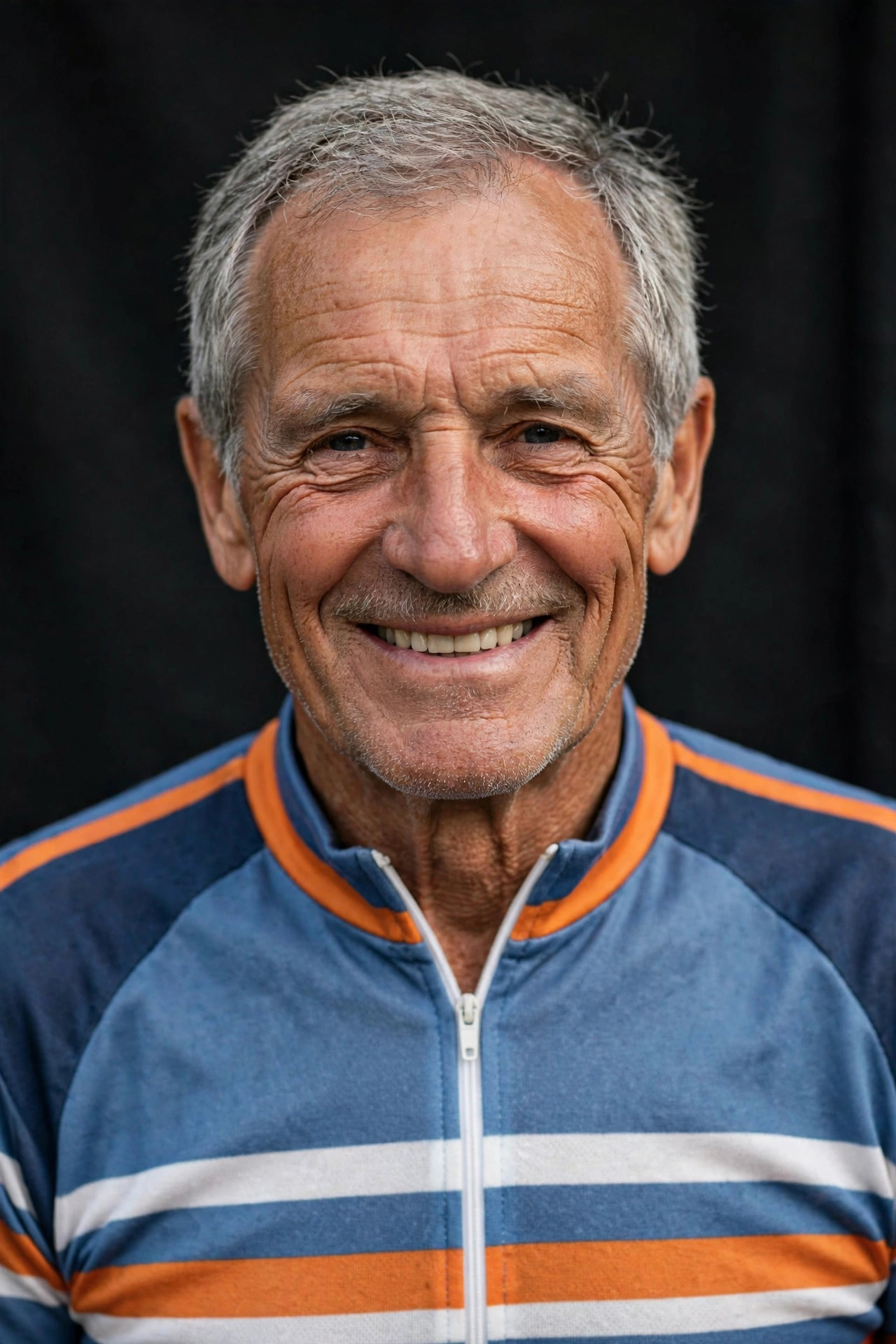
Gerhard Schönbacher is a name that cycling fans know for one of the most unusual records in the history of the Tour de France. The Austrian rode professionally for nine seasons between the late 1970s and mid-1980s, but fame found him not at the front of the race — where the cameras usually look — but at the very back. He finished last in the general classification of the Tour de France in two consecutive years, 1979 and 1980, becoming one of the most celebrated holders of the sport’s “lanterne rouge” honour.
Behind that quirky distinction lies a genuine professional career: seven appearances at the UCI Road World Championships, stage-race starts across Europe, and a hard-fought decade in the unforgiving world of 1980s peloton racing. Schönbacher’s story is one of stubborn persistence — a rider who survived brutal mountain stages, sponsor disputes and even a career-ending car crash, only to reinvent himself again after retirement. This is his full biography.
Gerhard Schonbacher Wiki and Biography
| Attribute | Details |
| Full Name | Gerhard Schönbacher |
| Date of Birth | 25 January 1954 |
| Age | 72 years (as of October 2026) |
| Birthplace | Graz, Austria |
| Nationality | Austrian |
| Ethnicity | European |
| Zodiac Sign | Aquarius |
| Profession | Former professional road cyclist; later team manager and race organiser |
| Years Active | 1977–1985 (professional riding career) |
| Girlfriend / Marital Status | Not publicly disclosed |
Schönbacher was born in Graz, the capital of the Austrian state of Styria, on 25 January 1954. Austria has long been a cycling nation of respectable tradition but few superstars, and like many of his generation, Schönbacher turned professional in the mid-1970s with ambitions far bigger than his eventual results. He became a professional rider in 1977, signing with the Belgian squad Carlos–Gipiemme, and over the following nine seasons he would ride for Mini Flat, Daf Trucks, Marc, Puch, Atomic and Varta.
His results on paper were modest. He never won a Grand Tour stage and never seriously contended for overall honours. But he was a durable, experienced domestique and stage racer who earned selection for the UCI Road World Championships seven times — a mark of respect in itself. The chapter that defined him, though, was written on the roads of France in the summer of 1979.
Gerhard Schonbacher Height, Weight and Physical Stats
| Attribute | Details |
| Height | Not publicly disclosed |
| Weight | Not publicly disclosed |
| Body Type | Athletic (former professional cyclist) |
| Eye Colour | Not publicly disclosed |
| Hair Colour | Not publicly disclosed |
| Distinguishing Features | Classic 1980s professional cyclist; competed in wool-era and early lycra pelotons |
Reliable published figures for Schönbacher’s height and weight are not available in public records. As a professional road cyclist of the late 1970s and early 1980s, he maintained the lean, powerful build typical of stage racers of the era, built for surviving the Alps and Pyrenees over three weeks.
Gerhard Schonbacher Career
| Attribute | Details |
| Profession | Professional road cyclist (later team manager, race organiser) |
| Turned Professional | 1977 (Carlos–Gipiemme) |
| Teams | Carlos (1977), Mini Flat (1978), Daf Trucks (1979), Marc (1980), Puch (1981–1985), Atomic (1987), Varta (1991) |
| Known For | Finishing last overall (lanterne rouge) at the Tour de France in 1979 and 1980 |
| Major Appearances | Tour de France (1979, 1980, 1981); UCI Road World Championships (seven editions) |
| Post-Cycling Career | Team manager (Varta, 1991–1994); founder and organiser of the Crocodile Trophy mountain-bike stage race in Australia |
| Retired From Pro Cycling | 1985 (after a car accident in Australia) |
The 1979 Tour de France was where the Schönbacher legend began. Riding for the Daf Trucks team, he lost heavy time in the mountains and, after the 20th stage, only one rider — the Frenchman Philippe Tesnière — sat behind him in the general classification. Tesnière had already finished last in the 1978 Tour and knew the publicity that came with the lanterne rouge, so in the stage 21 time trial he deliberately rode extra slowly to hold onto it. The winner, Bernard Hinault, covered the 48.8 km in 1 hour, 8 minutes and 53 seconds; Schönbacher took 1:21:52, while Tesnière clocked 1:23:32 — more than 20 per cent slower than Hinault, which put him outside the time cut and out of the race. Schönbacher inherited last place, and when he reached the finish of the final stage, he famously stopped to kiss the road before crossing the line.
The Tour organisation disliked the attention lavished on the last-placed finisher, so for the 1980 race it introduced a rule under which the rider lying last in the general classification would be eliminated after certain stages. Schönbacher beat the rule and finished last anyway — back-to-back lanterne rouge honours. Before that Tour, his sponsor had promised him a bonus if he finished last; after the final stage, team leader Patrick Lefèvre told him the money would not be paid, and following a heated argument Schönbacher was fired.
He found a new team, Puch, and rode the 1981 Tour de France, finishing 112th out of 121 riders. His career ended in 1985 when he was hit by a car in Australia, forcing his retirement — though he made a brief comeback at the 1987 UCI Road World Championships with a private sponsor. From 1991 to 1994 he worked as a team manager for Varta, and he went on to found the Crocodile Trophy, a gruelling multi-day mountain-bike stage race held in Australia.
Gerhard Schonbacher Net Worth
| Attribute | Details |
| Net Worth | Not publicly disclosed (no verified estimated figure available) |
| Income Sources | Professional cycling contracts (1977–1985); team management (1991–1994); race organisation |
No reliable public estimate of Gerhard Schönbacher’s net worth exists. As a professional cyclist of the 1970s and 1980s — an era when rider salaries were a fraction of today’s — and later a team manager and race organiser, his earnings came from contracts and management roles rather than the modern sponsorship economy. Any figures circulating online should be treated as unverified.
10 Interesting Facts About Gerhard Schonbacher
- He is one of very few riders in Tour de France history to finish last in the overall classification in two consecutive years (1979 and 1980).
- In 1979, his rival for last place, Philippe Tesnière, was disqualified for missing the time cut in a time trial he deliberately rode slowly — handing Schönbacher the lanterne rouge.
- After securing last place in 1979, Schönbacher stopped just before the finish line and kissed the road in a moment that became part of Tour folklore.
- The Tour organisation introduced a special rule in 1980 to eliminate the last-placed rider after certain stages — a direct response to the publicity around the lanterne rouge. Schönbacher finished last anyway.
- He was promised a bonus by his sponsor for finishing last in the 1980 Tour, but team leader Patrick Lefèvre refused to pay it, and Schönbacher was fired after an argument.
- He rode the UCI Road World Championships seven times — a record of longevity few of his contemporaries matched.
- His professional career ended not on the bike but under a car: he was struck by a motor vehicle in Australia in 1985.
- He made a brief comeback at the 1987 UCI Road World Championships, riding for a private sponsor.
- After retiring, he managed the Varta team from 1991 to 1994, staying in the sport he knew best.
- He founded the Crocodile Trophy, an ultra-tough multi-day mountain-bike stage race in Australia that still draws international riders.
Conclusion
Gerhard Schönbacher’s career reminds us that sporting glory comes in many forms. He never won a Tour de France stage or wore a leader’s jersey, yet his name survives in cycling lore more vividly than many riders who finished in the anonymous middle of the pack. The lanterne rouge of 1979 and 1980 turned an obscure Austrian domestique into a cult figure — a symbol of the stubbornness it takes simply to finish.
From the roads of the Tour to the Australian outback, where he created the Crocodile Trophy, Schönbacher stayed close to the sport that made him famous in the unlikeliest way. For fans of cycling’s stranger stories, he remains the definitive last man standing.
FAQs About Gerhard Schonbacher
Who is Gerhard Schonbacher?
Gerhard Schönbacher is a former Austrian professional road cyclist, born 25 January 1954 in Graz. He is best known for finishing last in the Tour de France in 1979 and 1980.
How old is Gerhard Schonbacher?
He is 72 years old as of October 2026, having been born on 25 January 1954.
What is Gerhard Schonbacher famous for?
He is famous for the “lanterne rouge” — last place in the general classification — at the Tour de France in 1979 and 1980, finishing last in two consecutive editions.
Why did he finish last in the 1979 Tour de France?
Riding for Daf Trucks, he lost significant time in the mountains. His only rival for last place, Philippe Tesnière, was eliminated for missing the time cut in a time trial, leaving Schönbacher last overall.
What happened with his sponsor after the 1980 Tour?
He had been promised extra money for finishing last, but team leader Patrick Lefèvre refused to pay it. After a heated discussion, Schönbacher was fired.
When did Gerhard Schonbacher turn professional?
He became a professional cyclist in 1977 with the Belgian team Carlos–Gipiemme.
How many seasons did he race professionally?
Nine seasons, from 1977 to 1985, plus a brief comeback at the 1987 World Championships.
Why did he retire from cycling?
In 1985 he was hit by a car in Australia, an accident that ended his professional riding career.
What did Gerhard Schonbacher do after retiring?
He managed the Varta cycling team from 1991 to 1994 and later founded the Crocodile Trophy, a multi-day mountain-bike stage race in Australia.
What is Gerhard Schonbacher’s net worth?
His net worth has not been publicly disclosed, and no verified estimated figure is available.
Last Updated: October 2026 | Fact-checked by the Xposed editorial team. If you spot an error, contact us and we will correct it.